


- Podcast
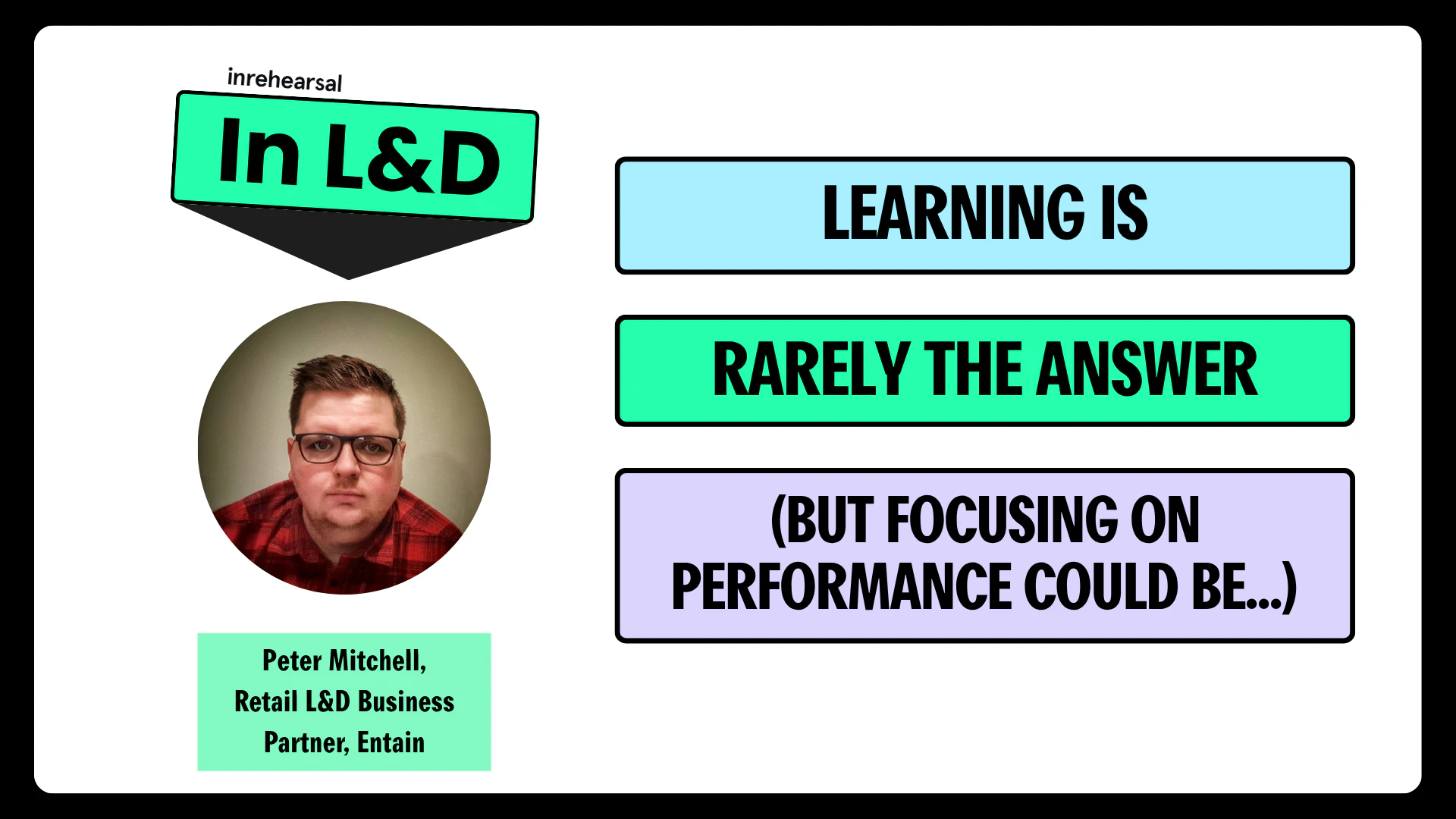
In L&D, behaviour change starts with knowledge, confidence and momentum
29 Jul 2026 By
Gary Stringer
In L&D, behaviour change starts with knowledge, confidence and momentum
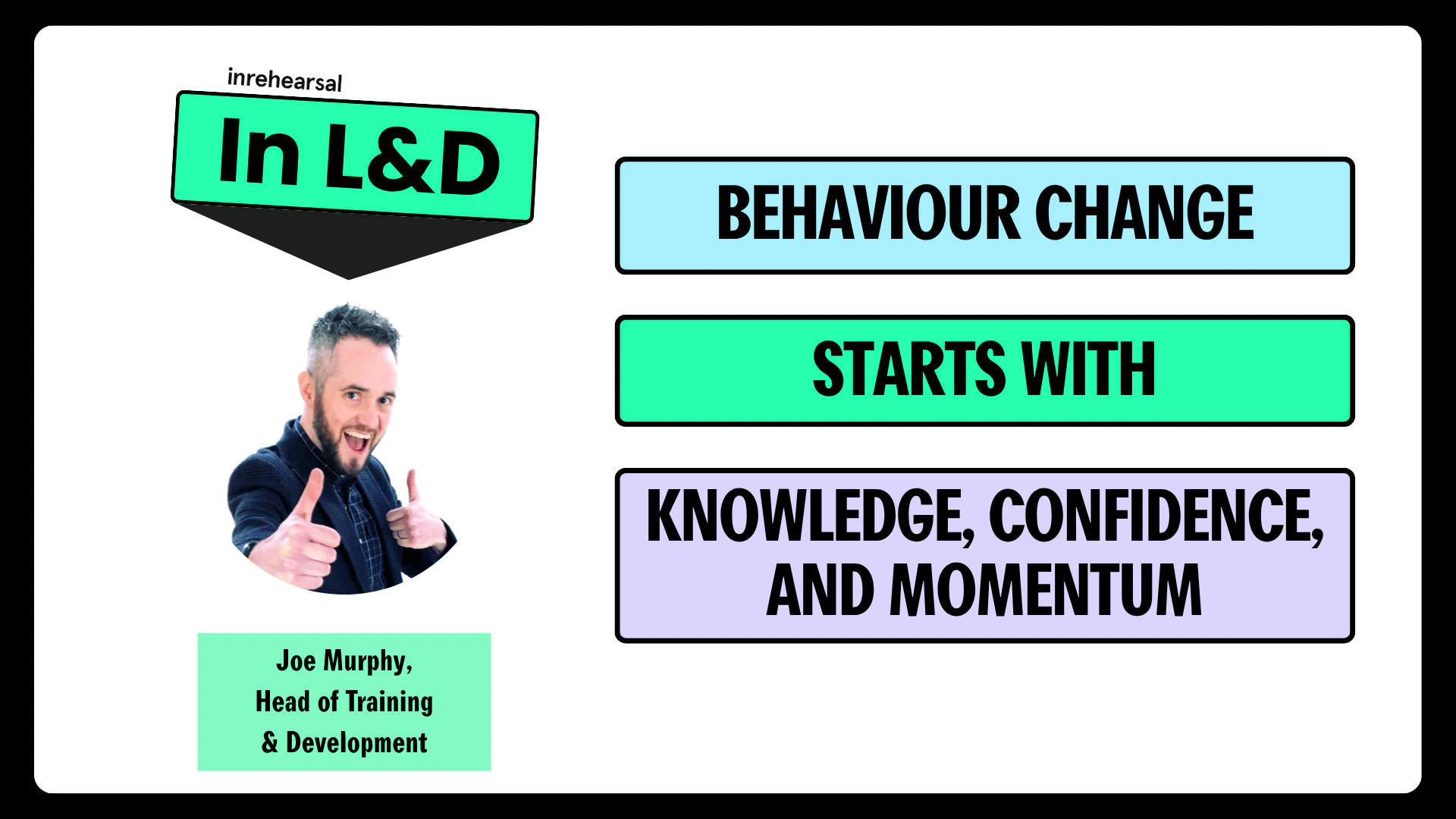
“Knowledge, confidence and momentum. I think if you hit all three of those, that’s the real sweet spot of real lasting change, both information wise and behaviourally.”
That’s how Joe Murphy approaches learning experiences and facilitation, and he joined us to chat through each stage in detail.
You’ll learn ways to make knowledge stick, how to build in touchpoints for building confidence, and hear Joe’s advice on building momentum after training.
“If you get the knowledge right, it builds the confidence and as a result of that it gives that learner the momentum to take and make the journey themselves their own when they leave the classroom.”
Connect with Joe on LinkedIn here.
And the LinkedIn post we discussed in the episode here.
Watch and listen to the episode
You can also listen to the episode:
On Spotify by clicking here.
On Apple Podcasts by clicking here.
Or by searching for In L&D… wherever you get your podcasts.
How to build knowledge, confidence and momentum in training and learning
Knowledge
“It’s not just about the information, but how you deliver it and make it accessible:
“As opposed to it being theory, theory, theory, it needs to be more agile. Test and learn. So I’m gonna drop a little bit of theory to you, but now we’re going to practically apply it.”
“The practical way of going about that is here’s the theory, here’s the what, the how, and crucially the why behind it. And now let’s give you an opportunity to apply that.”
Joe believes for knowledge to stick:
- It has to be relatable and delivered through scenarios where you can see how it applies to your role.
- It communicates the benefits to you individually but paints a wider picture.
Tip: Use the ABC rule to deliver that relevant context, meaning you focus on how it benefits:
The Agent: You as an individual in your role.
The Business: Highlighting the wider impact to the business.
The Customer: How it helps the end user.
“That activates the brain in so many other ways for the learner. It’s not just that you’re talking to them about knowledge, you’re actually showing them.
“I’m asking for a behaviour change, but this is the win for you by doing that. I think that’s the incentive with the knowledge aspect and how you actually transform it is just by dropping that incentive into the actual knowledge that you’re delivering.”
Confidence
“That leads to confidence by doing that repetitive action of testing and applying, testing and applying and not just overloading the knowledge and the theory.”
Joe believes that making the session a conversation helps the learner build confidence in real time.
“Naturally, they build that self-belief that they actually realise they can do it. It’s not that it’s just theory going in and then I’ve got to worry about testing if I’ve got it after the session.
“Actually, I’m doing it in real time and I’m getting feedback from the facilitator, but I’m realising with my own existing thought process. Because what I’m actually doing is I’m getting the learner to apply what I’m teaching them to their existing thought patterns.”
Tip: Think about how you can build this in as a touchpoint:
– It can be normalised with: before we go on to the next section, what do we think about this?
– If you have particular objectives, build questions based around those.
– Read the room: if you see people starting to check out, bring them in at that point.
“I sincerely believe in execution because that knowledge has got to go somewhere. But it starts with them building that confidence of: I can see it because Joe’s delivering it in a way where he’s bringing me into it.
“I’m able to apply what he’s teaching me. So there’s an element of visualisation, but you have to facilitate the opportunity for them to execute at some point… so you have to create an environment where they feel that they can execute.”
Momentum
At this point, people have the knowledge, they can see it being applied and how they might fine-tune it after the session – allowing them to leave with this mindset:
“I’ve started with a base and now I’m going to build from here. That naturally builds momentum and you leave the classroom thinking, you know what, I have seen something from that. I’m going to continue with the support of the people around me.”
The challenge is that momentum is often about what happens after the session, when they’re not in the room with you.
The key question is: “Are we giving people the opportunities to apply that knowledge when they go back to their roles?”
Here are some ways you can drive more opportunities, post training session:
- Manager enablement: Clear handover of what the training involved, with the ask: can you ensure they get more opportunities to apply this?
- Making content accessible: Ensure people can access the resources easily after the session (for example, a folder within a tool like Microsoft Teams).
- Use accountability triggers: A task or challenge that’s sent within 48 hours and encourages people to apply what’s been learned, without hard deadlines or friction.
- Daily questions: Joe is using an AI tool to do this in his workforce currently. The tool studies the resources and builds questions, and employees get two of these each day.
“It’s ensuring the activation stays sharp and that they’re using the knowledge, not just using it in the classroom. They’re actually using it to their benefit. Because the last thing we want in L&D is to be considered tick box.”
Built for L&D,
Loved by Learners
See the most authentic library of original expert-led video content in L&D. Learn how it could work for your organisation.
Related articles
L&D Trends 2027: (6 Challenges And What They Mean For Your Team)
Explore 6 key L&D trends for 2026/2027, including talent velocity and manager engagement, backed by fresh industry data and expert analysis.
Read more