


- Learning And Development
L&D Trends 2027: (6 Challenges And What They Mean For Your Team)
20 Aug 2026 By
Gary Stringer
About the writer: Hi, I’m Gary Stringer 👋 I’ve worked in L&D for 6 years and wrote L&D trend reports that were read by tens of thousands of people every year from 2020 to 2024. (Basically, I read the reports so that you don’t have to!)
This is where the dramatic statement is meant to be: 2027 IS MAKE OR BREAK FOR L&D.
Honestly, it’s probably like every other year. A topic dominates the narrative, some skills become important, some get thrown on the scrapheap – and this year isn’t that much different.
But it’s important to know what the latest data says. The context of the world we’re working in. What learning and development trends are consistently cropping up.
We took some of the latest reports and industry commentary, looked at what’s interesting and important, and added our advice for L&D…
Our six L&D trends help you answer three big questions ahead of 2027
- What businesses want from L&D teams
- What L&D teams can do for businesses
- Core skills L&D should consider this year
No, you’re not imagining things, we’ve not mentioned AI once so far…
And we’ll hardly mention it at any point because that’s all been done to death already. Let’s look at the juicy stuff instead 👀
You can jump ahead and read about any of our 2027 L&D trends here:
1. Skills demand is splitting in two: organisation-led and learner-led
Every year, a list of trending skills emerges – telling us what’s hot… but rarely why!
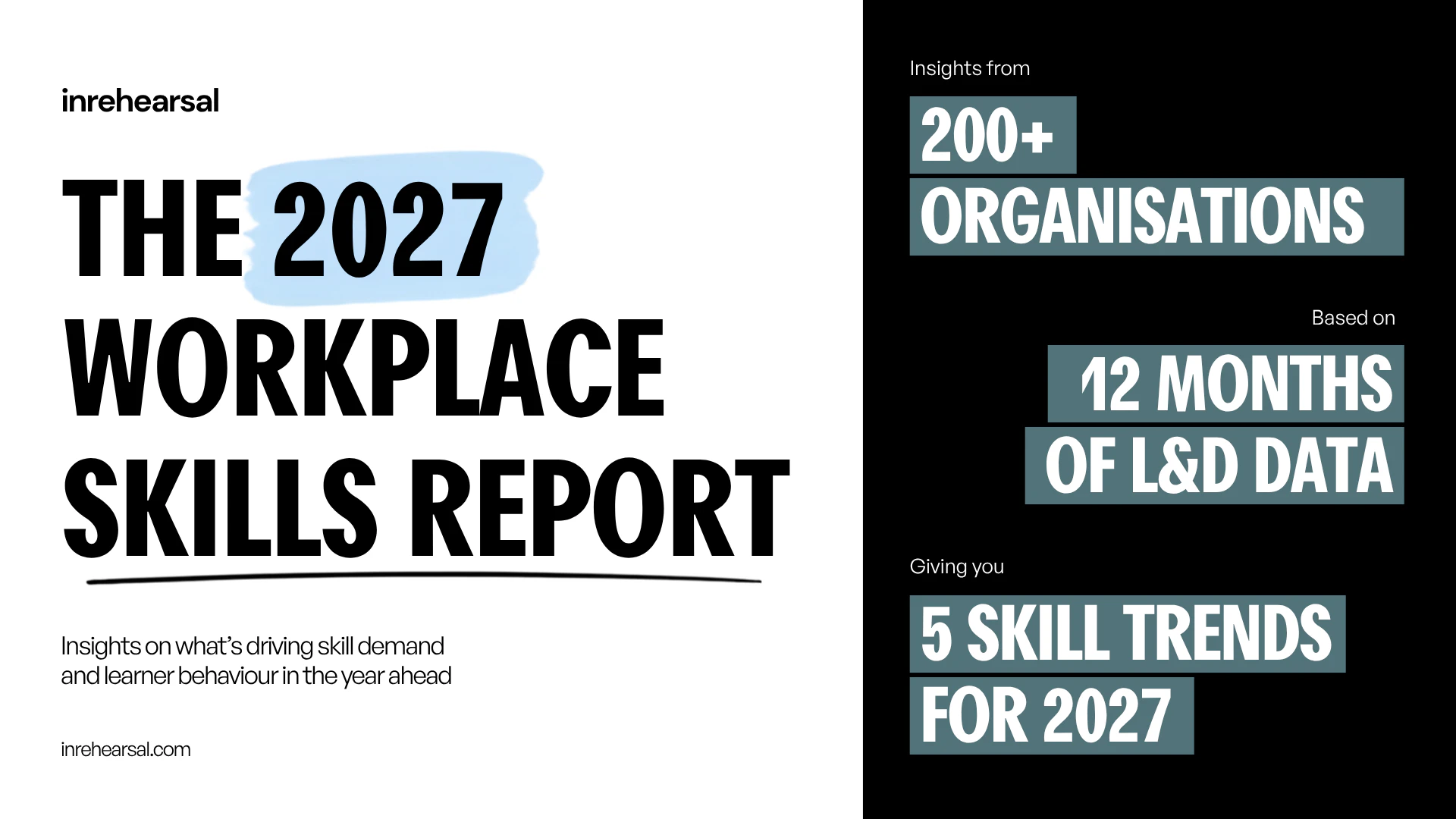
So when we produced our 2027 Workplace Skills Report (get your copy here), the mindset was: let’s try and understand what’s driving the big skills and topics.
One thing stood out: how employees discover learning influences what they engage with and the skills they build.
Essentially, we saw two types of demand.
Organisation-led demand
When it comes to engagement with learning content, organisations are particularly successful at driving demand around three things:
- Collective priorities: Like AI, DE&I and wellbeing.
- Awareness moments: Like neurodiversity week.
- Business moments: Like end of year conversations.
We see this in our most-viewed video content, the format most commonly promoted by organisations through internal campaigns, awareness events and LMS homepages.
Views often spike around key moments in the organisational calendar. For example, Feedback and Difficult Conversations peaked in March 2026, during the typical period for end-of-year conversations.
Learner-led demand
When we look at the formats where learners take more of a self-directed learning approach and choose to invest their own time, there’s a clear shift towards individual development.
Topics like strategic thinking, confidence, productivity and career development perform consistently throughout the year when we look at Live Masterclass attendance, courses consumed and videos with higher completion rates (where more than 90% of the content is viewed).
The fact that these topics and formats receive consistent engagement through the year challenges the assumption that time is the primary barrier to engagement.
Actually, it would appear that learners are more than willing to make time when the capability feels valuable to them personally.
2. Businesses want L&D to be consultants (sort of)
World changes fast → Business needs change → Skills needed for L&D change too.
Some variation of this pops up in almost every L&D trends piece… just without the real detail of what’s actually going on.
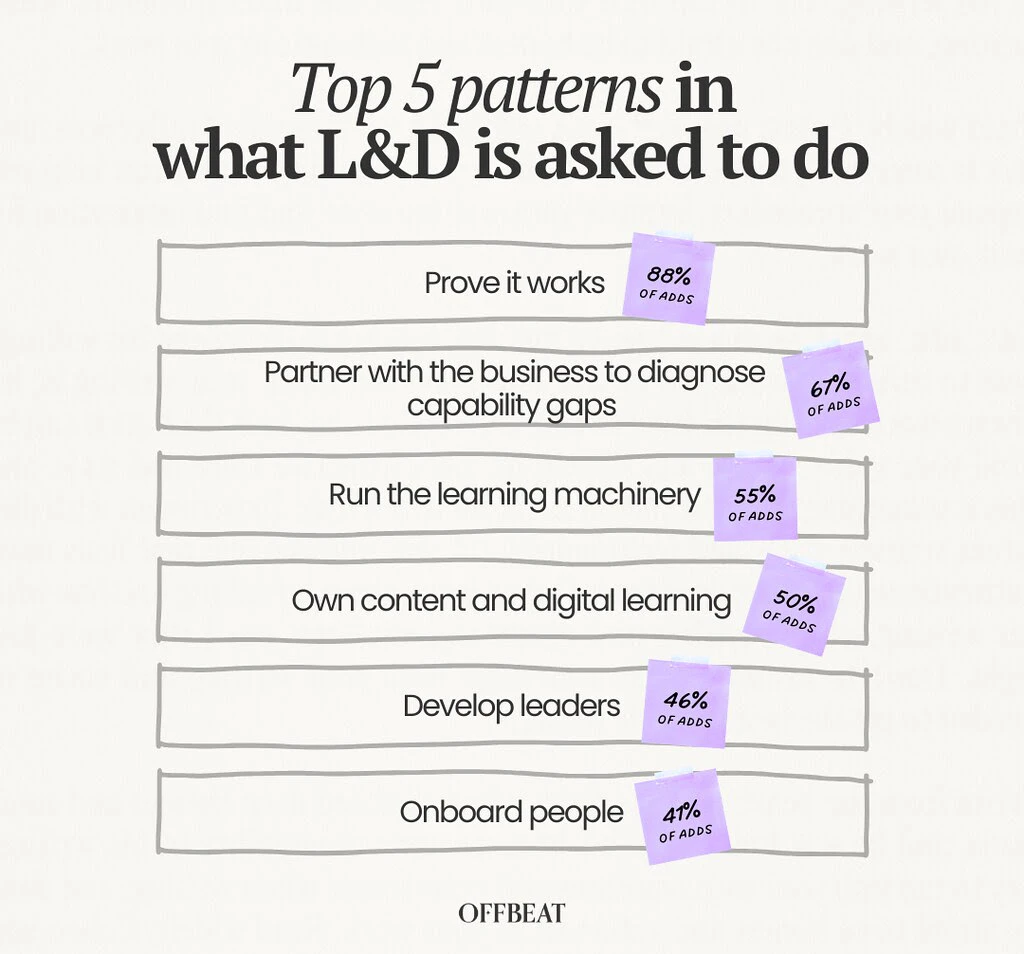
Thankfully, Lavinia Mehedintu from Offbeat scraped 200 L&D jobs and got to the bottom of it:
“The market requires L&D to have the posture of a consultant, without the methods.”
It’ll come as no surprise that Lavinia’s analysis highlighted a real mixed bag of required competencies for an L&D role in 2026…
But it’s how frequently each appears that creates this idea of needing the skills to seem consultative, but not necessarily to consult in practice.
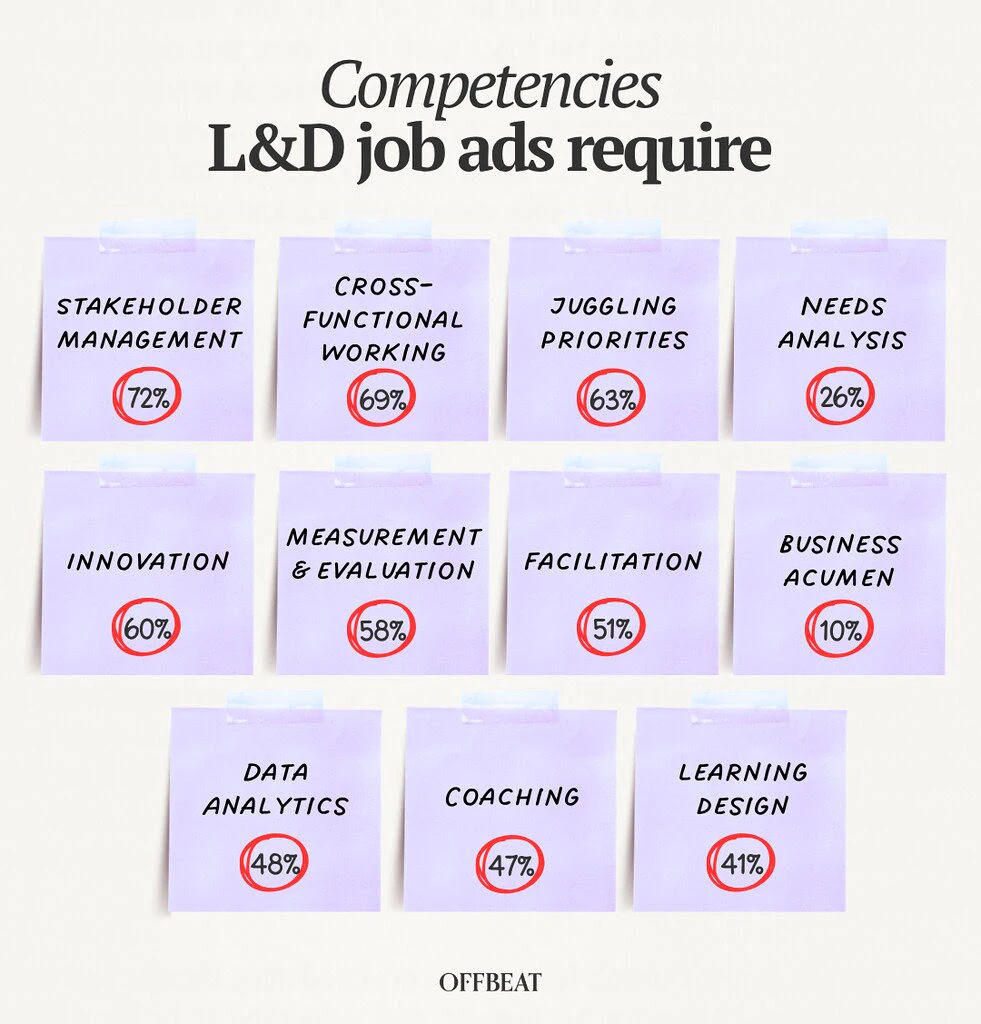
Stakeholder management (in 72% of ads) and cross-functional work (69%) appear often and demonstrate a desire for L&D professionals to have the posture of a consultant…
But Offbeat’s research highlights that “the methods and tools that come with a consulting role” appear much less frequently – like needs analysis (26%) and business acumen (10%).
Does this put an end to one of the longest-running L&D trends: “getting a seat at the table”?
If the business is looking for someone with the posture or appearance of a consultant, that’s surely a positive thing, right?
For years, we’ve seen data that shows L&D is struggling to be seen as a business partner, a trusted advisor or [insert whatever terms floats your boat but means seat at the table here].
But if job descriptions are including skills that point towards L&D teams diagnosing problems, connecting key people and managing stakeholders, it could represent a shift in how the C-Suite (or at least hiring managers) view the function.
The pattern in what L&D teams are asked to do in job descriptions offers another glimmer of hope, with 67% including “partner with the business to diagnose capability gaps.”
3. The growth of talent velocity (translation: that’s the need to build skills in real time)
In this fast-paced world… just kidding, this is not AI slop!
But skills are shifting faster than a lot of companies can either:
A) Notice shifting
B) Respond to
Which is also on a lot of these lists, it’s just back with a fancier title and some more data.
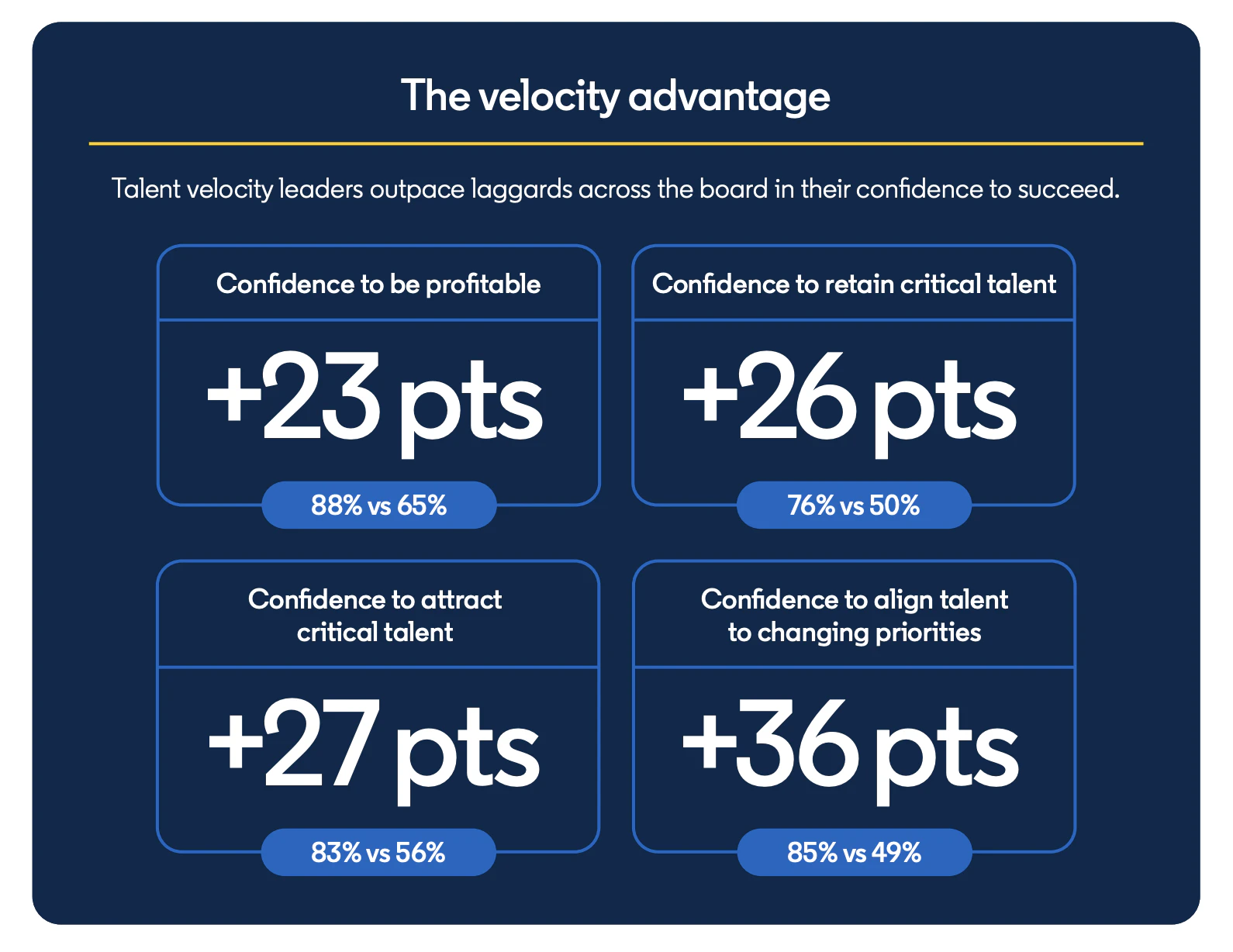
LinkedIn Learning describes the ability to keep up with these shifts as talent velocity… and 86% of companies have not got enough of it!
The 14% with sufficient velocity essentially have a huge advantage over those lagging behind.
They have greater confidence around profitability, attracting or retaining talent, and aligning their talent to changing priorities.
(Source: 2026 LinkedIn Talent Report)
Soft or human skills are a huge part of this, with 93% of talent velocity leaders saying they’re more important than ever.
And it makes sense. If a shift happens and you’re launched into a new role or another part of the business, your technical skills might have some carry over…
But your ability to adapt, problem solve, communicate, manage stakeholders and make a good cup of tea are going to help*
*The last one isn’t really that necessary but have you tried winning someone over with a 💩 cuppa!?
Can L&D teams steer the talent rocketship towards maximum velocity?
There’s fair chance you feel like this 👇 after reading that L&D teams need to help people build skills at speed. Duh!?
But the trend here is probably about the type of skills needed to help people thrive at speed and scale.

You can’t prepare for change if you don’t know what change is coming.
But you can give people the skills to manage change effectively when it does come.
As always, this makes sense in context. So maybe it’s time for a bit of self-reflection going into 2027:
- What changes have we gone through in the last year?
- What did that mean for our talent?
- Which skills were needed to make that effective?
(P.S don’t worry if it doesn’t feel like you’re hitting talent velocity, it’s made up anyway – you’re doing great!)
4. Managers are not engaged, send help
A lot of L&D teams are tasked with enabling managers in so many different ways.
We’ve all heard it: managers have the single biggest influence on employee growth, skills and performance.
The problem is, manager engagement has been slowly declining.
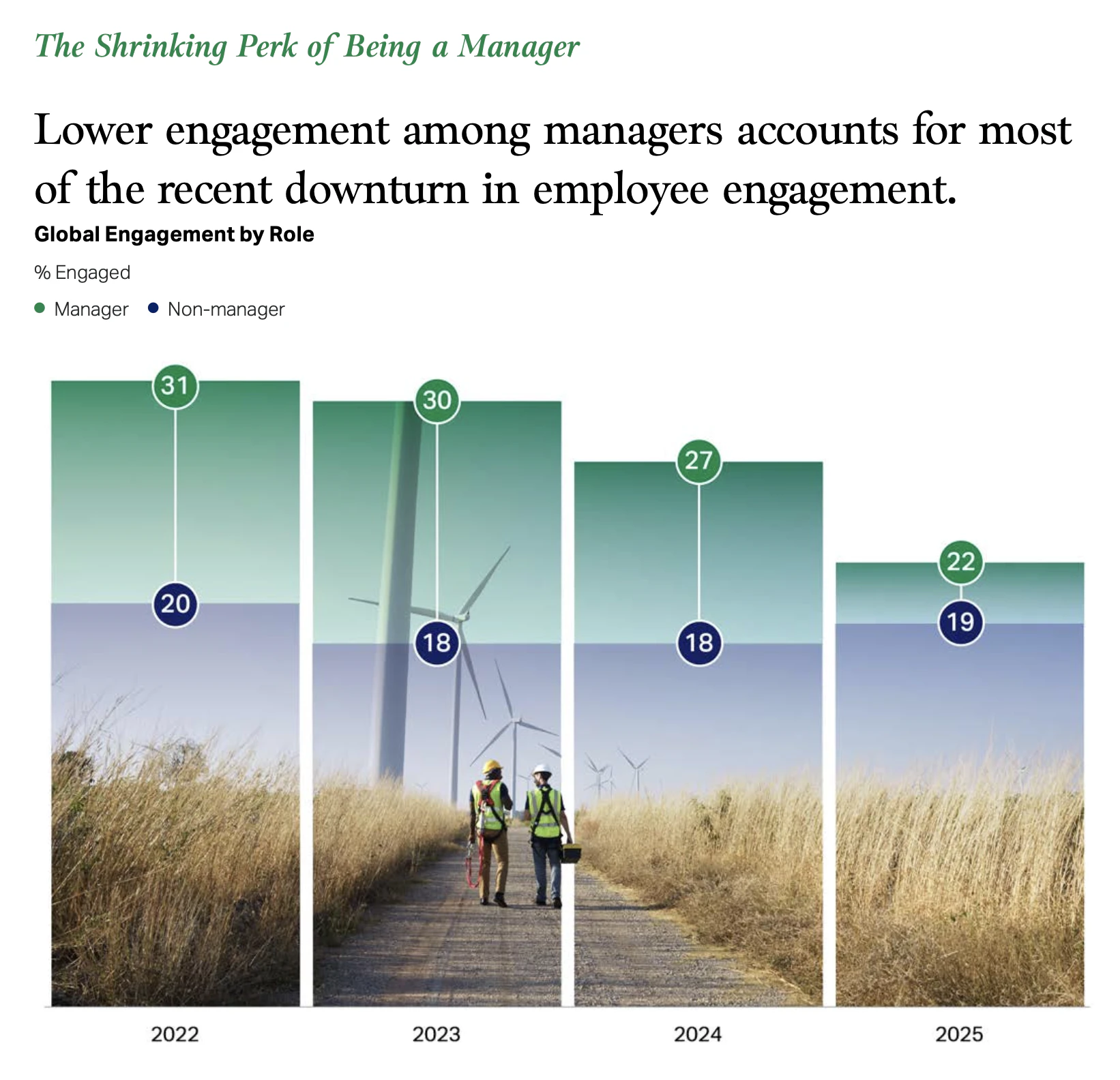
Since 2022, manager engagement has dropped by nine points – according to Gallup’s State of the Global Workplace Report.
Individual contributor engagement had also dropped in recent years and saw a slight rebound, but it points to a wider engagement challenge. Something that’s being primarily driven by managers…
“Managers used to enjoy an ‘engagement premium’ at work, but they are increasingly only as engaged as those they lead.”
So, why are leaders not engaged? And how could L&D help in 2027?
Offbeat have been a goldmine for insights this year, especially the research they’ve done with their community.
And they asked 158 L&D leaders about the state of leadership in their business at the end of 2025.
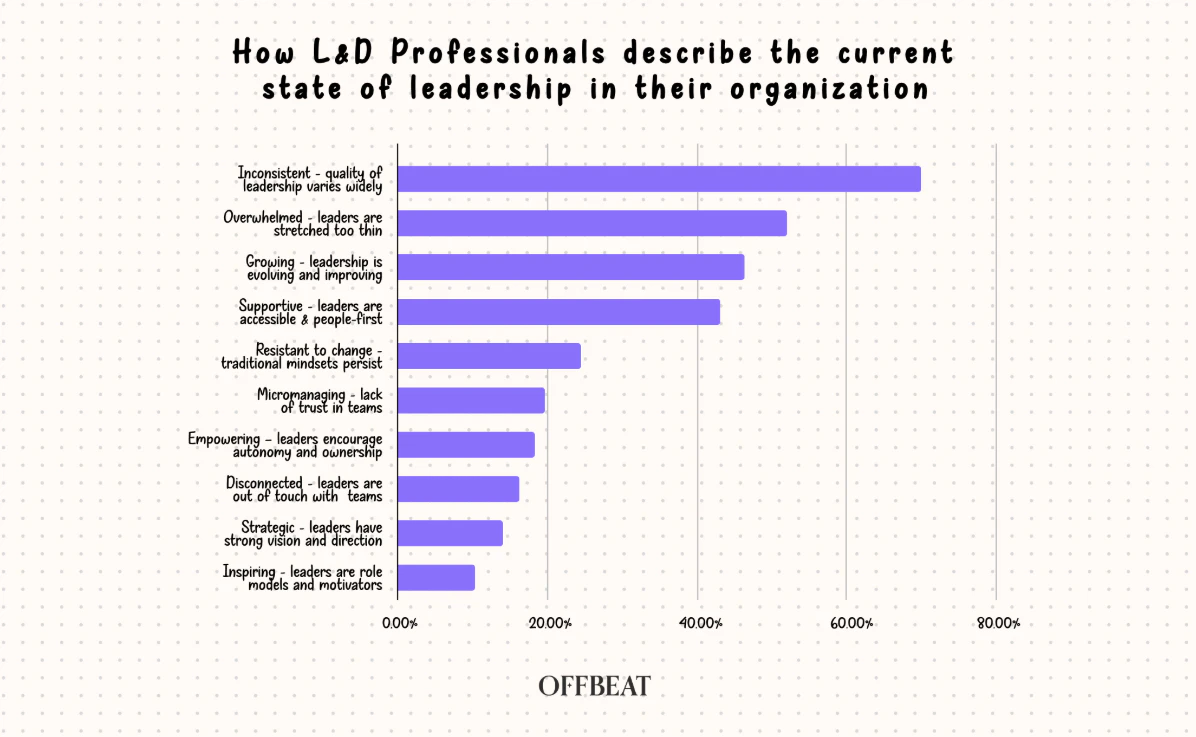
There are loads of positives in this list (which is awesome) but if we think about why leaders might not be engaged (and how L&D can help) there are three responses to consider in the top five:
- Inconsistent: quality of leadership varies widely
- Overwhelmed: leaders are stretched too thin
- Resistant to change: traditional methods persist
1. Inconsistent: quality of leadership varies widely
No leadership journey is the same. A business can have first time leaders, experienced leaders and everything in between.
So styles vary. Experiences vary. And we don’t want to coach the things that make leaders who they are out of them.
But what L&D teams can offer is consistency.
You’ll be surprised by how many companies haven’t defined what good leadership looks like in their organisation.
That’s step one. Then you can see where skills gaps exist and help leaders close them.
Useful videos on leadership consistency

Watch Understanding Your Leadership Style with expert executive coach and business psychologist David Walters

Watch Finding Your Voice As A Leader with Author, Speaker and Voice Coach Caroline Goyder.
2. Overwhelmed: leaders are stretched too thin
Understandable. Leaders are dealing with a lot, managing up, down, sideways – the lot.
Dealing with strategy, employee development.
Trying to be proactive and reactive all at once.
This is also often a skill issue. No leader has the intention to let things slip or lose track of important things.
So it’s about giving them skills like communication, prioritisation, and strategising.
Useful videos for supporting overwhelmed leaders
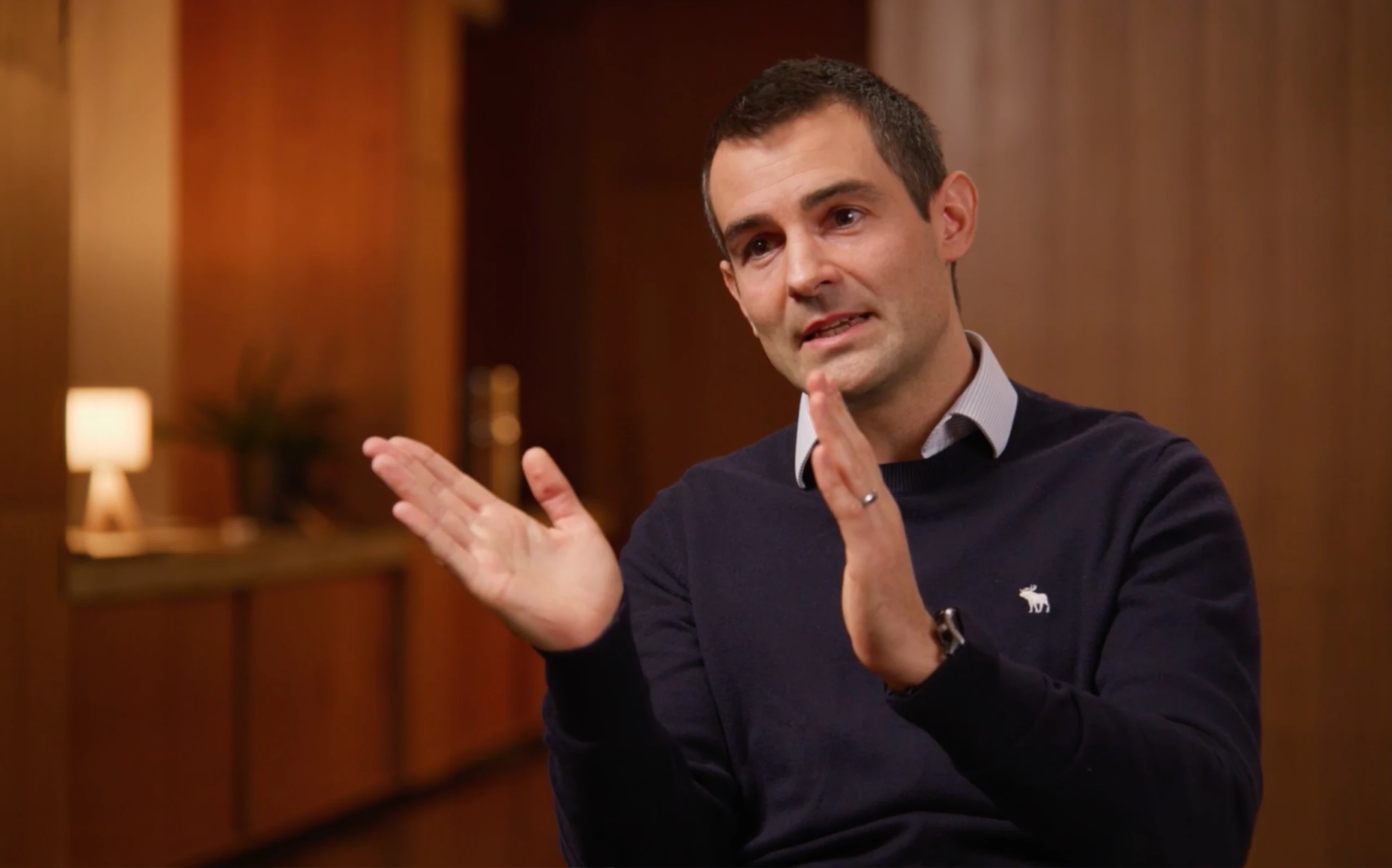
Watch Buffering Burnout As A Leader with Wellbeing Strategist Nick Bloy.

Watch Becoming An Agile Leader with Digital Product Delivery Consultant Collin Lyons
3. Resistant to change: traditional methods persist
Change is hard, we’ve talked about it in every trend pretty much.
When your to-do list is growing at light speed and you’re being pulled in every direction, it’s easy to lean on the old habits.
And it’s much harder to do the new thing. Our brain often leads us to the path of least resistance.
So, as you might expect us to say, it’s about giving leaders the skills of adopting change.
Useful videos for dealing with change
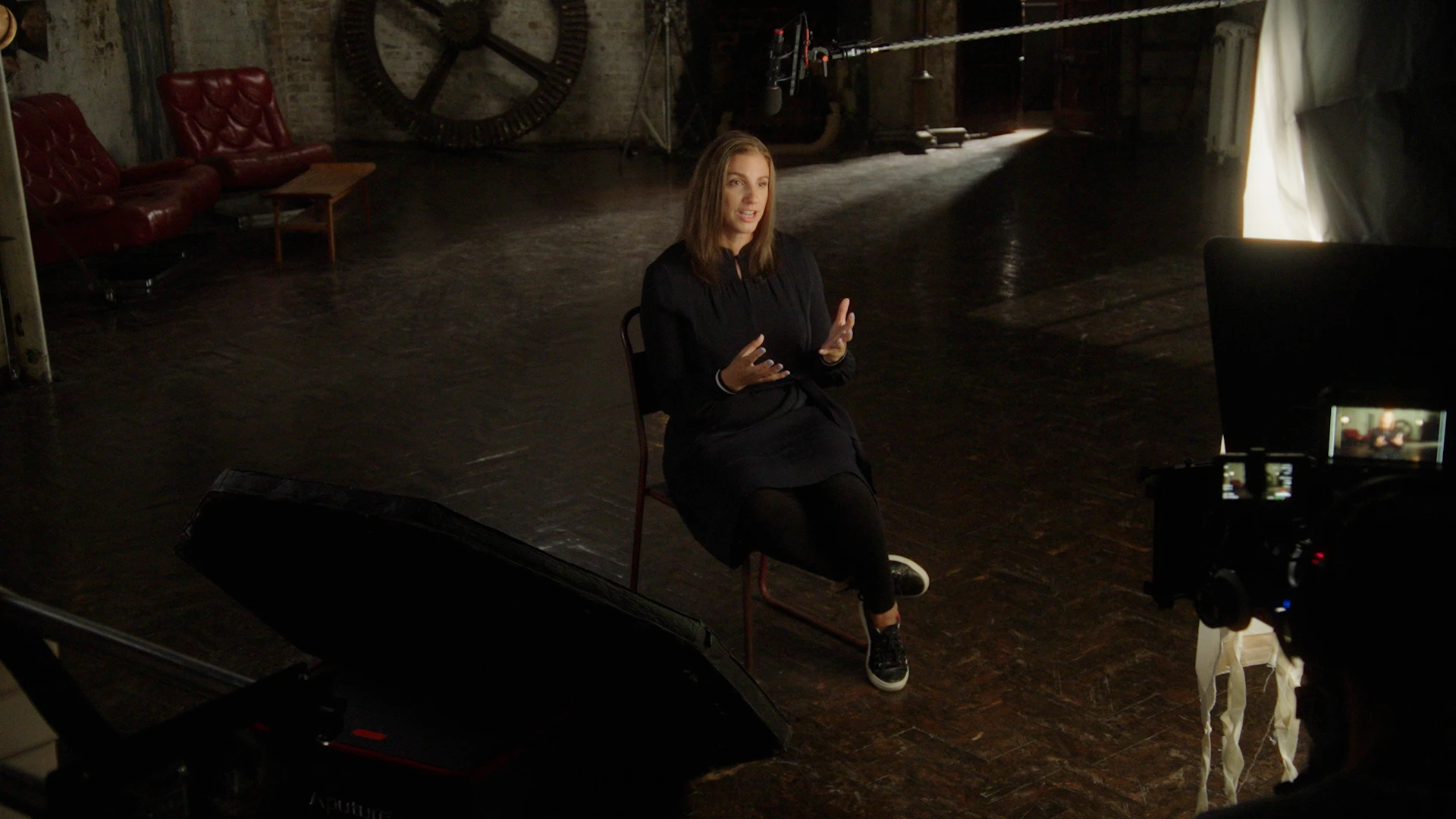
Watch Motivating People Through Change with Change Specialist Eleanor Tweddell

Watch Turn Resistance To Change Into Your Advantage with Matt Furness, Founder of Click Culture
5. L&D to act as a facilitator in the business (helping people with skills go beyond their traditional role or team)
A trend that’s not new, but has reached a new level of importance.
For years we’ve extolled the virtues of L&D acting as a connector. Knowing which skills people have and deploying them across the business – regardless of roles, departments or situations.
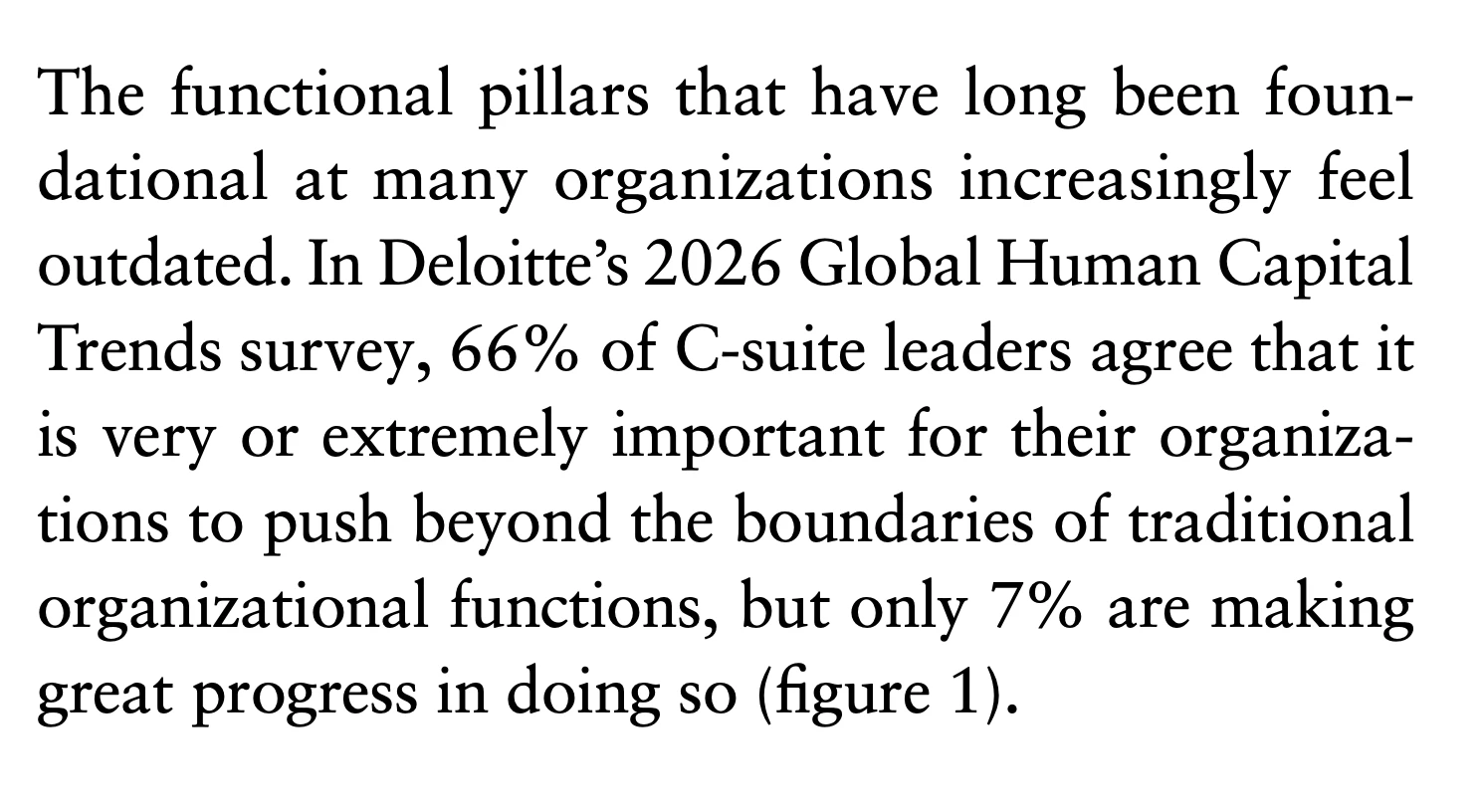
66% of C-Suite leaders agree that it’s “very or extremely important for their organisation to push beyond the boundaries of traditional organisational functions, but only 7% are making great progress.”
That’s according to Deloitte’s Global Human Capital Trends survey (what a mouthful), one of the largest surveys on the state of the workplace.
Could L&D be the driving force in closing that gap? (We think so, or else we wouldn’t have written this…)
L&D teams often have a better handle on which skills exist in the business.
Whether that’s because of skill mapping, creating content with internal experts, or knowing which learning initiatives that have been run before.
The challenge can be getting close enough to the business strategy or knowing which problems need solving in real time.
So, maybe 2027 is about dusting off the calendar, getting some meetings in, and closing any relationship gaps with key stakeholders.
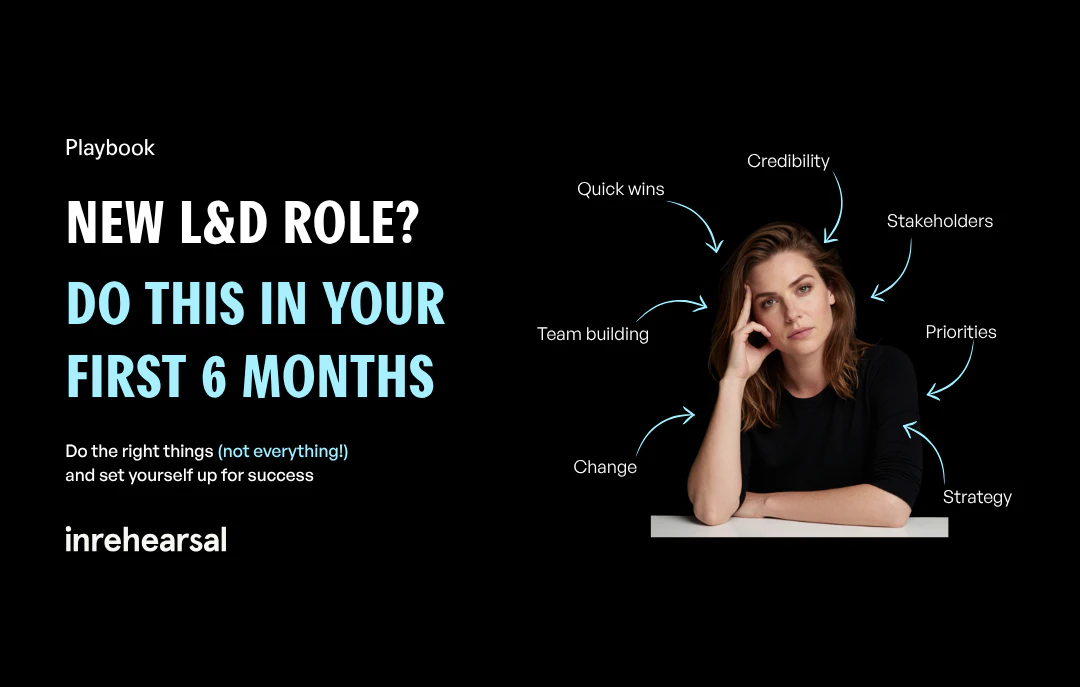
If you’re looking for practical advice on understanding the business and key stakeholders, download our New L&D Role guide here.
6. L&D teams to borrow and build more marketing skills
Awareness. Engagement. Brand.
L&D teams face a lot of problems that a marketing skillset can solve.
We wrote about how L&D teams can build better emotional connections to learning campaigns with a marketing mindset, and John Hinchliffe’s reply summed it up perfectly:
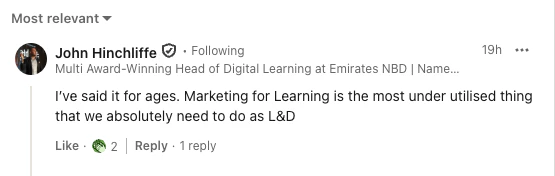
The problem is knowing where to start, which is a problem a lot of marketing teams face too.
The good news is that problems normally happen (and can be solved) in order.
Awareness first: If nobody is aware of you or what you offer, nothing else can happen.
Engagement second: People might know that you exist and your messages are reaching them, but they don’t engage.
Conversion third: You might get signals that people are engaging with your messaging but not taking the next step to actually do what’s being asked.
Retention last: People might convert (hooray-ish) but it’s a one and done activity. They might take part in one thing you’re offering and then disappear into the horizon.
The best first step is working out where you are in this process, then you can take the most valuable action.
Signals to look out for
Awareness:
- Are you communicating with people? If so, where?
- How many messages do you send them?
- And how many messages do they receive from the rest of the business?
We can include perception here too. What do surveys show about how aware people are of L&D? And what’s their perception of you as a function (positive, negative, inaccurate)?
Engagement:
- You’re sending emails, but nobody opens them – that’s the clearest indication.
- You post announcements on the company intranet, but they get no views.
Conversion:
- People open the communications above but don’t take any action.
- There’s a positive response to Slack or Teams messages, but no clicks on any link.
- When you present in a town hall, the chat is on fire (but nothing happens after).
Retention
You have people who’ve taken part in one initiative or course, and haven’t engaged with anything you’ve offered to them since.
Your trend-ly reminder for 2027: Don’t get too caught up in trends, focus on your context instead
The most important thing to remember here is that just because it’s trending, it doesn’t mean it can help you or you have to jump straight on it.
You are always better off focusing on the context of your organisation.
Your existing skillset might help you solve some of the highest-priority problems in your business.
Your managers might not need as much help as another group in the organisation.
So take all of this with a pinch of salt, and spend time working out with trends will be helpful in the reality and context of where you’re working right now.
Built for L&D,
Loved by Learners
See the most authentic library of original expert-led video content in L&D. Learn how it could work for your organisation.
Related articles