


- Podcast
In L&D, our days are numbered as a function, but that’s a good thing
23 Sep 2026 By
Gary Stringer
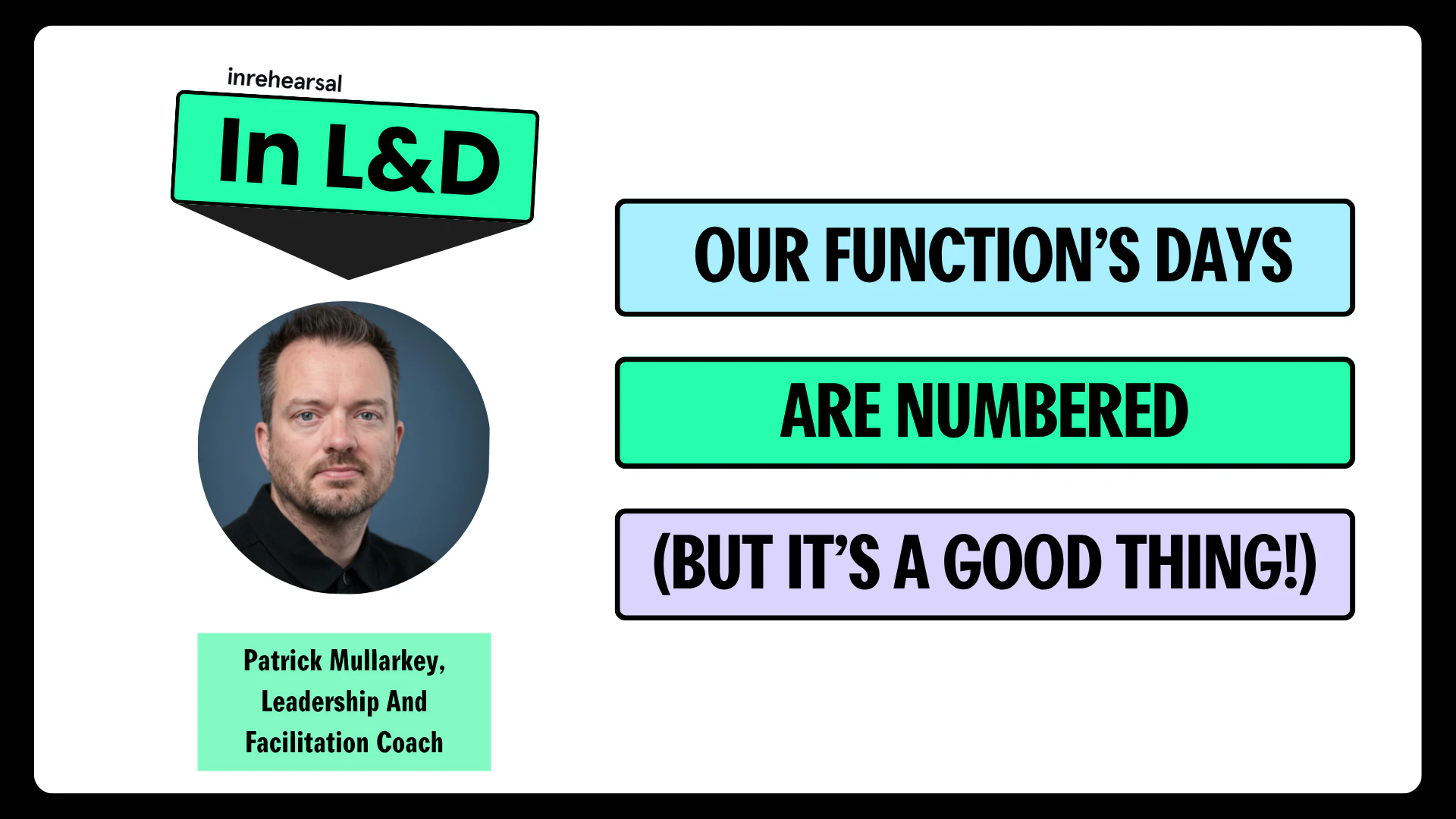
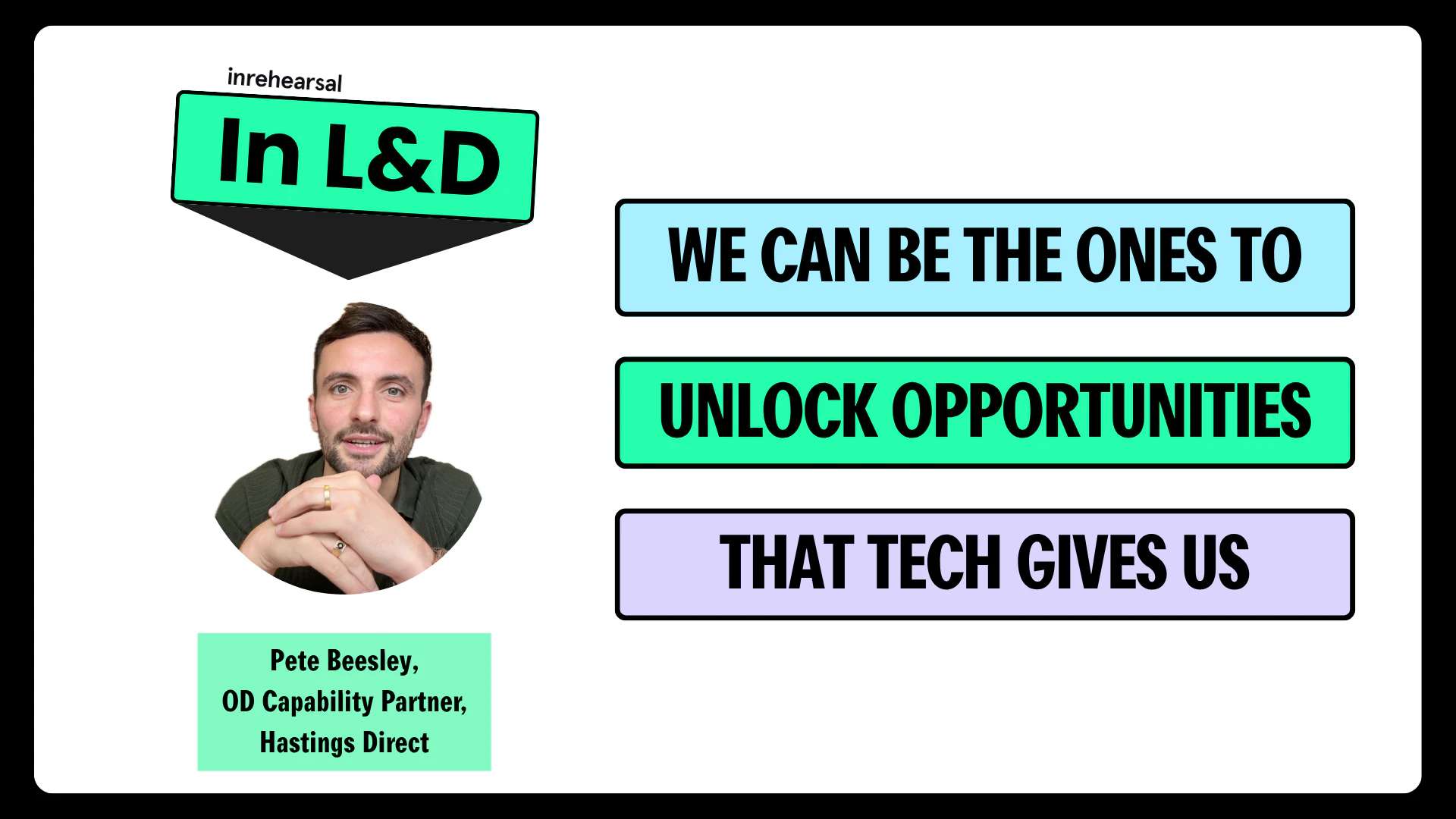
“I think we had great intent, but we never really cracked it. Now AI has come along and, frankly, cracked it for us.”
Patrick Mullarkey was talking about those unsolved problems in L&D here: like just in time learning or learning in the flow of work.
But really, it applies to a lot of the roles and responsibilities that no longer exist or are diminishing as the world changes – driven by AI, but lots of other things too.
“Worst case scenario, if you’re holding on to a role or connotations of a role as it is today, in the next year, 18 months… then 50-70%, maybe more of that role, will have to evolve, dissolve or be redesigned.”
But this isn’t doom and gloom. It creates an opportunity to reshape what L&D looks like in many different ways, including:
- Mastering facilitation for this new era
- Delivering experiences that meet employee expectations
- Moving from owner to collaborator in some areas
- The culture needed to drive desired behaviours
- Taking a more commercial approach
You can connect with Patrick here.
Watch and listen to the episode
You can also listen to the episode:
On Spotify by clicking here.
On Apple Podcasts by clicking here.
Or by searching for In L&D… wherever you get your podcasts.
5 lessons on the evolution of the L&D function
1. Why are L&D’s days as a function numbered?
Think about those problems that rumbled on: learning in the flow of work or just in time learning, for example:
“I think we had great intent, but we never really cracked it. Now AI has come along and, frankly, cracked it for us.”
It’s the perfect example of where L&D’s role or responsibility has changed.
We’re no longer just pushing out static resources to people that don’t work in the flow of work, we have the tools and technology to deliver in context, and it’s a sign of things to come:
“Worst case scenario, if you’re holding on to a role or connotations of a role as it is today, in the next year, 18 months, pick a number, then fifty, seventy percent, who knows, maybe more of that role will have to evolve, dissolve or be redesigned.”
“It’s an opportunity to take a bit of ownership around some of this and put a stake in the ground of actually what would be our best intent or best outcome for learning leadership functions in the future or a vision for them.”
2. How L&D facilitates will change drastically
“I’ve worked with a supplier around using an AI role-playing tool… and the nature of it was that the stuff you might spend a couple of hours with actors in person doing practice or virtually in a session…
“They could practice that online for periods and flexibly at point of need, but around avatars and archetypes, personas and situations that were bespoke to what they were working through.”
This changes the learning experience and the L&D team’s role.
Rather than saying, read this PDF before the session and understand the principles (which probably won’t engage everyone or provide meaningful understanding), we can use new tools to deliver something better:
“So we’ve got all that time back around briefing, design and scenarios, and we’ve gained the data and tracking around it. We were able to capture analysis around, their body language, their tone and texture of their words, the pacing…
“Insight that made it bespoke around them as an individual leader, which we could use as a point of analysis for the design of our session.
“When people are more educated on their own behaviour or performance, when they get to the point that we gather as individuals. It can then make those conversations more impactful when we come together, rather than just in isolation.”
3. “Netflix for learning” had something to it… and AI might be accelerating it
“Park the gimmick of the title, there was something to it around, ‘my experience of technology in this space creates this standard expectation around what I think my tech actually looks like in the workplace.’ And I think the same thing’s happening now.”
The way people use AI tools or resources in their everyday life does trickle into what people expect in their organisation, but there’s also the element of their own usage and competency…
“There’s also the notion of Shadow AI, and how people are using these tools off their own back to do their day jobs… that’s not enterprise-wide embedded. That’s everywhere.”
4. Are we moving from ownership to collaboration in L&D?
There was a time when HR and L&D were the perceived owners of onboarding, but this is shifting:
“The last three organisations I worked in-house at, all of them had some form of management development programme they were looking to build out from scratch.
“And when I did my discovery work, I was finding that the functions that managers had been hired into the teams had their own onboarding content and materials.”
This shifts L&D’s role from an owner to a collaborator, and it applies across lots of milestones in an employee journey.
“Previously we might have had our arms all around it and sole ownership, but now it’s more of a collaborator role.
“And there’s still going to be a requirement and input from the people function to probably be accountable for how those things are delivered.”
“But the difference is we’ll be curating stuff from across the organisation.”
5. Is now the time to become more commercially minded?
“Getting more commercially minded, that’s always been a thing, but what we’ll have access to going forward, and which we do now, is more data around behaviour and performance than ever before.”
But access to data and using the data effectively are two different things:
“There’s something that’s bigger than the learning function around: what does the people team want to do with the data it’s got on organisational performance that might also make it vulnerable from a data protection perspective?”
When you factor in the tools that organisations might be using to interpret that data, it leaves us with one existential question:
“The thing we’ll have to think about is how comfortable are learning and people professionals going to get with extracting that data in conjunction with some of these tools.”
Built for L&D,
Loved by Learners
See the most authentic library of original expert-led video content in L&D. Learn how it could work for your organisation.
Related articles
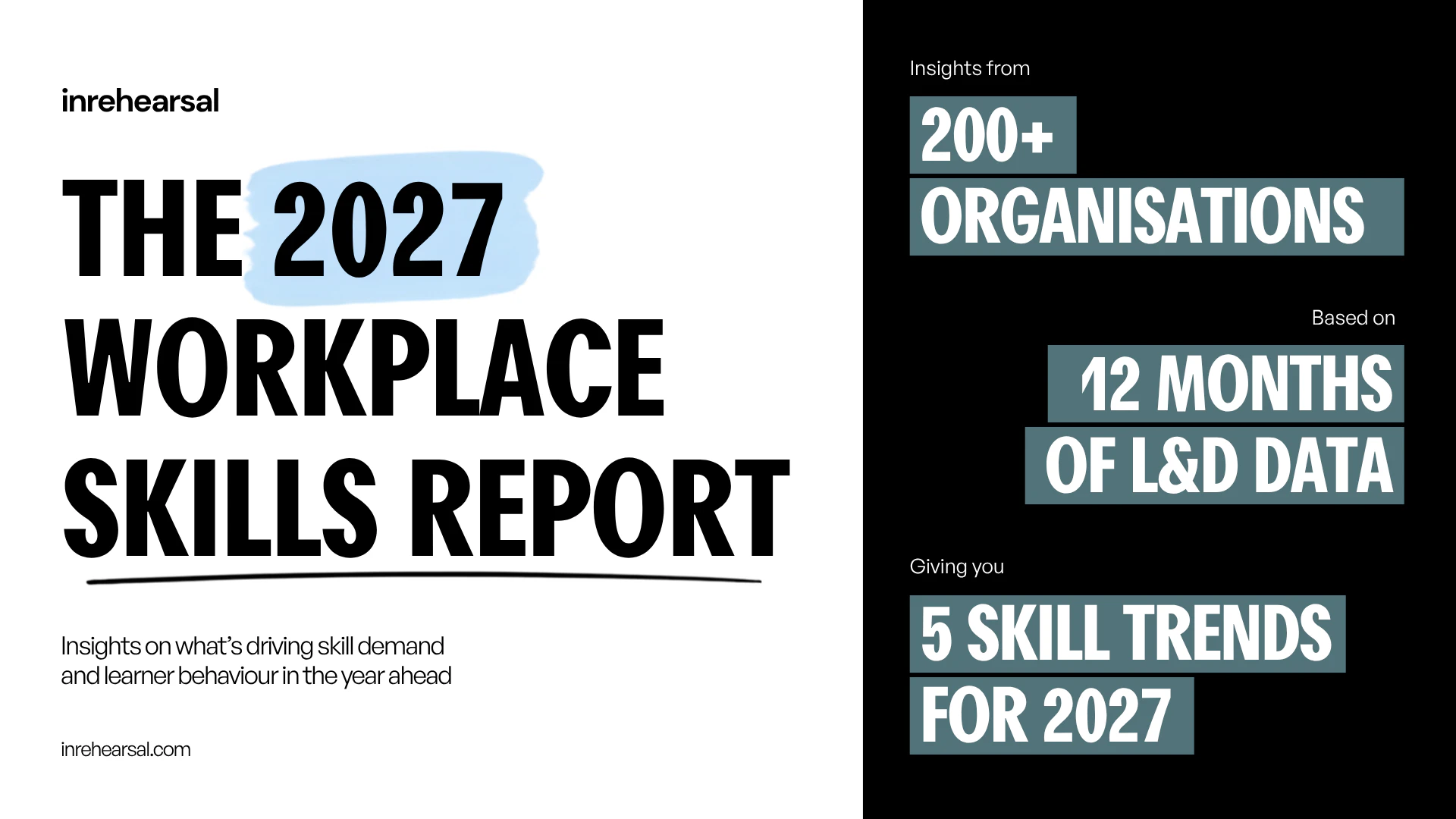
L&D Trends 2027: (6 Challenges And What They Mean For Your Team)
Explore 6 key L&D trends for 2026/2027, including talent velocity and manager engagement, backed by fresh industry data and expert analysis.
Read more